What Is The Nfl Antitrust Exemption?
Contents
The National Football League has been exempt from antitrust lawsuits since the 1960s. This means that the NFL can operate as a monopoly and set its own rules. So, what is the NFL antitrust exemption?
Introduction
The National Football League (NFL) is a professional American football league. It was formed in 1920 as the American Professional Football Association (APFA) before renaming itself the National Football League for the 1922 season. The NFL is one of the four major professional sports leagues in the United States and Canada, and is widely considered to be the most popular sport in North America.
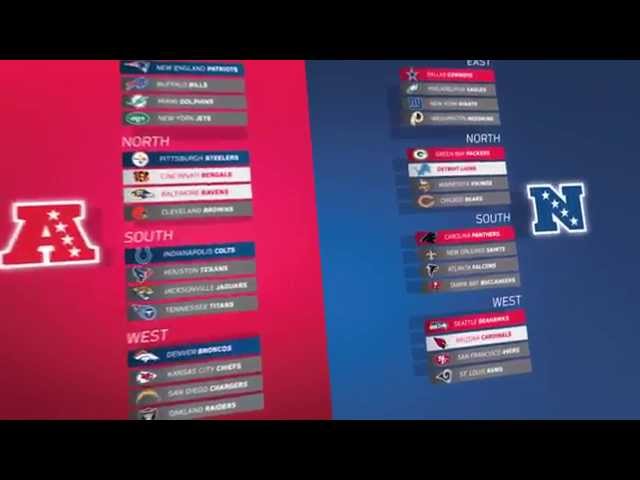
The NFL has 32 teams, divided equally between the National Football Conference (NFC) and the American Football Conference (AFC). The NFL operates on a four-year cycle, with each team playing 16 games during a 17-week regular season. The regular season runs from September to December, with each team playing one game per week. The season culminates with the playoffs, a single-elimination tournament leading to the Super Bowl, which is usually held in February.
The NFL has a long history of antitrust exemption, dating back to its formation in 1920. The league has been granted several antitrust exemptions by Congress, most notably in 1961 and 1973. These antitrust exemptions have allowed the NFL to operate as a monopoly, exempt from many of the laws that apply to other businesses.
The most significant of these antitrust exemptions is the so-called “broadcast rules exemption.” This exemption allows the NFL to sell broadcast rights to its games on a national basis, rather than having each team sell its own rights locally. This has resulted in enormous profits for the league, but has also been criticized for creating an uneven playing field among teams.
Another important antitrust exemption for the NFL is the “merger exception.” This allows two or more teams to merge or relocate without being subject to anti-competitive laws. This exemption has been used extensively by the league, most notably in 2002 when the Houston Texans were created as an expansion team.
The NFL’s antitrust exemptions have come under scrutiny in recent years, with some critics arguing that they are no longer justified and should be eliminated. However, others have argued that these exemptions are vital to the continued success of the league and should be preserved.
What is the NFL antitrust exemption?
The National Football League (NFL) is a professional American football league consisting of 32 teams, divided equally between the National Football Conference (NFC) and the American Football Conference (AFC). The NFL is one of the four major professional sports leagues in North America, and the highest professional level of American football in the world. The NFL’s 17-week regular season runs from the week after Labor Day to the week after Christmas, with each team playing 16 games and having one bye week. Following the conclusion of the regular season, seven teams from each conference advance to the playoffs, a single-elimination tournament culminating in the Super Bowl, which is usually held on the first Sunday in February and is played between the champions of each conference. The league was formed in 1920 as the American Professional Football Association (APFA) before renaming itself as the National Football League for the 1922 season.
The NFL operates under a unique antitrust exemption granted by Congress. This allows the NFL to operate as a single entity rather than thirty-two separate businesses. This exemption allows for several things:
– cooperation on television contracts and other revenue sharing agreements;
– joint marketing efforts;
– a centralized draft and salary cap system;
– and most importantly, it allows for collective bargaining with players on behalf of all teams.
The antitrust exemption does have its limits though. The NFL cannot fix prices or divide up markets. They also must negotiate television contracts separately from their member clubs.
How does the NFL antitrust exemption work?
The National Football League has been exempt from antitrust laws since the 1960s, when the Supreme Court ruled that the league’s antitrust exemption was “essential” to its operation. The antitrust exemption allows the NFL to operate as a cartel, setting prices (salaries) and limiting competition (free agency) in order to maximize profits.
The antitrust exemption is just one of many ways that the NFL is able to maintain its status as America’s most popular sport. Other advantages that the NFL has over other sports leagues include:
– A television blackout rule that prevents games from being televised in areas where they are not sold out
– A “reserve clause” that gives team owners the exclusive right to players’ services and prevents them from moving to another team
– A salary cap that limits how much teams can spend on player salaries
What are the benefits of the NFL antitrust exemption?
The NFL has been granted an antitrust exemption by the US government, which means that it can operate as a monopoly and engage in actions that would otherwise be illegal under antitrust laws. This exemption has been challenged in court several times, but has ultimately been upheld.
The main benefit of the antitrust exemption is that it allows the NFL to operate as a single entity, rather than 30 separate businesses. This gives the league greater control over its product and allows it to negotiate more favorable television contracts, which are a major source of revenue for the league. The antitrust exemption also allows the NFL to restrict player movement and to set salary caps, which help to control player costs and ensure parity between teams.
What are the criticisms of the NFL antitrust exemption?
There are a number of criticisms of the NFL antitrust exemption, which opponents argue gives the league an unfair competitive advantage. One common criticism is that the exemption allows the NFL to operate as a monopoly, which prevents fans from having a choice in where they watch football games or buy team merchandise.
Others argue that the antitrust exemption allows the NFL to engage in anticompetitive practices, such as setting blackout rules that prevent fans from watching games on television if they are not sold out. Additionally, some critics argue that the exemption gives the NFL too much power and prevents other leagues from challenging its dominance.
Conclusion
In closing, the NFL antitrust exemption is a special status that the league has enjoyed for many years. It gives the NFL a number of advantages over other professional sports leagues, and has allowed the league to become one of the most successful sports organizations in the world. However, the antitrust exemption is not without its critics, and there are those who believe that it should be eliminated. Only time will tell if the exemption will continue to be a part of the NFL or if it will eventually be phased out.